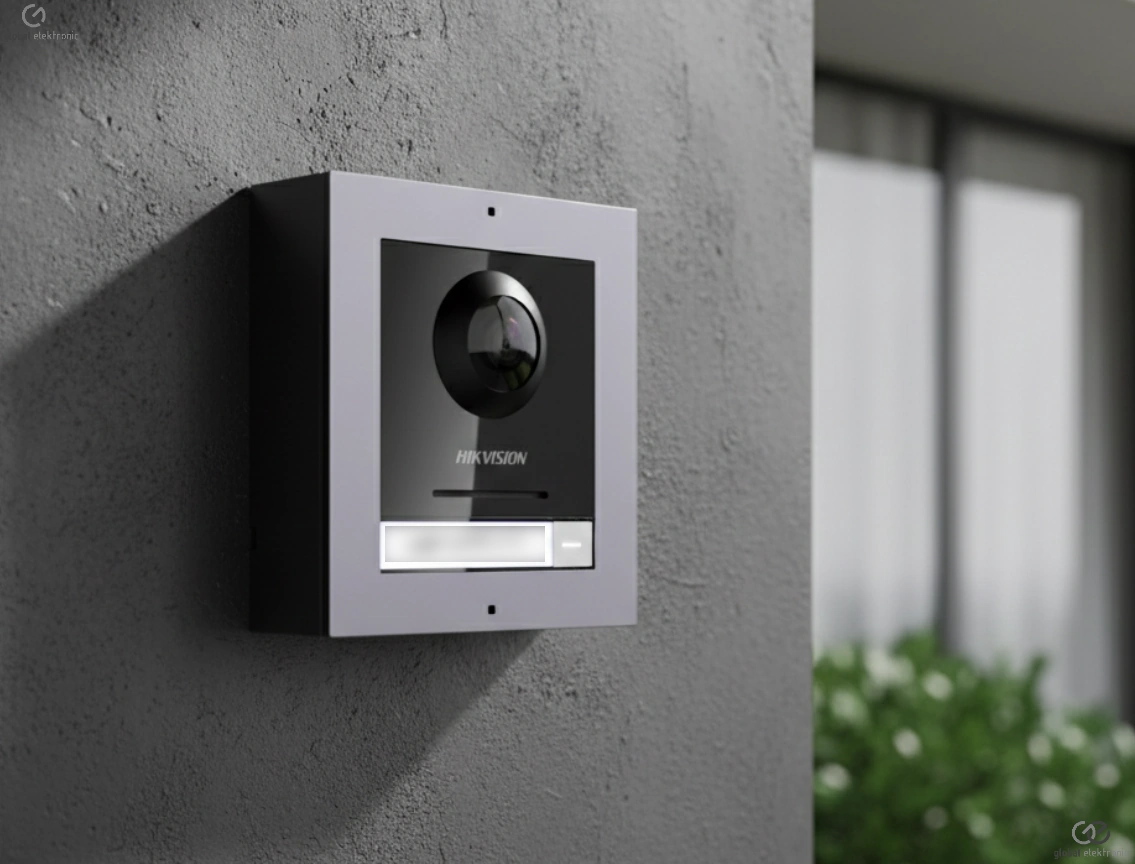
What’s the difference between a doorbell, a video intercom and an intercom system?
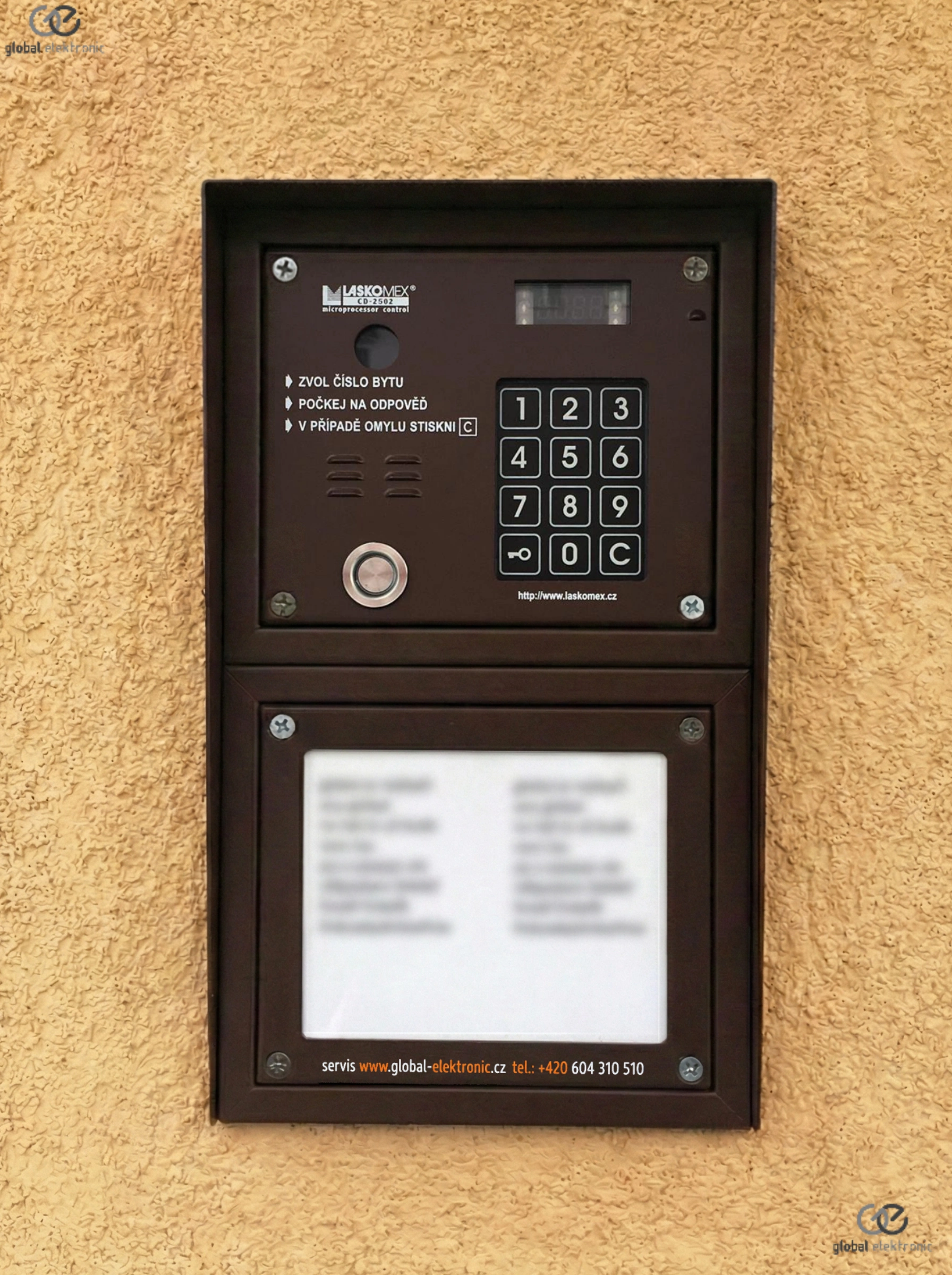
A doorbell provides acoustic ringing only (typically wired). A video intercom or video doorbell adds a camera with two-way audio—often with a mobile app. An intercom system is a multi-user setup (common in apartment buildings) that often includes access via RFID fobs or PIN codes, user management, and integration with an electric strike/lock.
I only want a basic doorbell. Is it worth calling a professional?
If it’s a like-for-like replacement of a simple wired doorbell, it can be quick. Our help makes sense when you want a wired solution done properly—connection to existing wiring, multiple indoor chimes, or when you want a clean, reliable installation that looks great and works every time.
Video doorbell: can I talk to visitors and open the gate/door remotely?
Yes. Depending on the chosen setup, we provide two-way communication and remote control of an electric gate/door lock. For family homes, the most common scenario is: someone rings → you answer in the mobile app → you unlock and let them in remotely.
Family home vs. apartment building: is it the same solution?
Not quite. A family home typically needs one outdoor button and 1–2 indoor units (or mobile app only). An apartment building needs a multi-tenant entry panel, nameplate management, RFID/PIN access and permission handling. That’s why we always ask about the number of apartments, entrances, and the condition of the existing wiring.
We have an old system in an apartment building. Can it be modernised without chasing walls (using 2 wires)?
Often, yes. There are so-called 2-wire solutions that can reuse existing cabling while adding video, mobile features and digital management. We first verify the wiring condition and propose the least invasive upgrade option.
Will a video doorbell bother me with notifications (motion, cars, animals)?
Not when it’s set up properly. We configure detection zones, sensitivity and modes (day/night, home/away). Many modern systems can distinguish people from general motion. The goal is simple: alert you only when it truly matters.
Does the system work without the internet?
Basic ringing and indoor units can work locally without an internet connection. Internet is mainly needed for remote mobile access and notifications when you’re away. Recording can be stored locally on an SD card or recorder—depending on your requirements.
Recording: will it save video, and do I have to pay for the cloud?
It depends on the device. Some systems store data locally (SD/NVR), while others offer cloud storage (often optional). During design we’ll discuss whether you want recording, how long you want to keep it, and whether you prefer local storage without fees or cloud.
Night vision: will I be able to recognise a face at the door?
Yes—placement matters most (height, angle, backlight control) along with sensor quality. We evaluate lighting conditions at the entrance so the image is clear—not just a silhouette.
Is it legal if the camera captures the sidewalk or neighbours?
The view should primarily cover your private property. If a public area is captured, we solve it with the right angle or privacy masking zones. For apartment buildings, we’ll guide you through practical steps to keep the installation compliant.
How much does it cost? What impacts the price the most?
Price depends mainly on the system type (audio vs. video), wiring condition (new cabling vs. 2-wire upgrade), number of users/units and extra features (recording, gate integration). After a short consultation, we’ll prepare a clear itemised quote.
Can the system be expanded later (another unit, another entrance, more fobs)?
Yes. We design systems so you can add indoor units, expand access for new users, or equip additional entrances later. For apartment buildings, we prioritise access management that remains sustainable even years down the line.