Proof of the installation’s real condition
Not just “a check was carried out,” but a clear output you can rely on for property management, future repairs or the next stage of electrical work.

Need an initial inspection, a periodic check or verification of an electrical installation after a modification, fault or renovation? We handle it so the result is not just a formality, but a real proof of the installation’s condition, a clear list of defects and a practical next step.

Many competitors stop at a generic sentence about safety. We approach it differently: the customer needs to know what condition the electrical system is really in, what is an actual risk and what to do next. That is exactly what makes a good inspection useful.
Not just “a check was carried out,” but a clear output you can rely on for property management, future repairs or the next stage of electrical work.
If something is wrong, we explain it in plain language. No translation from technical jargon and no guessing whether it is a minor issue or a real problem.
An inspection should not end in uncertainty. You get clear recommendations on what needs attention now, what can be planned later and how to proceed if repair or consumer unit work is needed.
A document for authorities, or real peace of mind? Whether you are building, buying an older property, or modifying the electrical installation, we adapt both the process and the output to your specific situation.
You need an initial inspection after a new installation, a new consumer unit or a larger renovation. We check the condition, carry out the required measurements and deliver an output you can genuinely rely on.
At first glance, the electrical system may look fine, but an inspection is what reveals its real condition. It is a sensible step before a major investment and before putting the property into full use.
A new kitchen, bathroom, workshop, garage or consumer unit replacement. Once the electrical installation has been modified, it makes sense to know that everything is safe, clear and fit for use.
When you need an inspection for property management, responsibility, insurance or simple operational peace of mind, we set the scope so it makes sense in real life.
We do not push an unnecessarily wide scope, but we also do not offer risky “quick stamp” shortcuts. We choose the type of inspection based on the real situation, the extent of the work and the property itself.
After a new installation, consumer unit replacement or a larger renovation.
For regular operation, condition checks and prevention before issues grow into bigger problems.
After a fault, intervention, flooding, overheating or any other unusual event.
No mysterious technical theatre. A good customer wants to know what exactly is being checked, what that means for them and why the output still matters years later.
A good inspection output should also be usable for someone who does not read technical standards every day. That is why we translate defects into plain language: what is critical, what increases risk and what can be planned for a later stage.
An inspection is not just about measurements. The condition of the consumer unit, the logic of the circuits, labelling, RCDs, protective devices and the overall impression of whether the installation makes sense in real operation all matter.
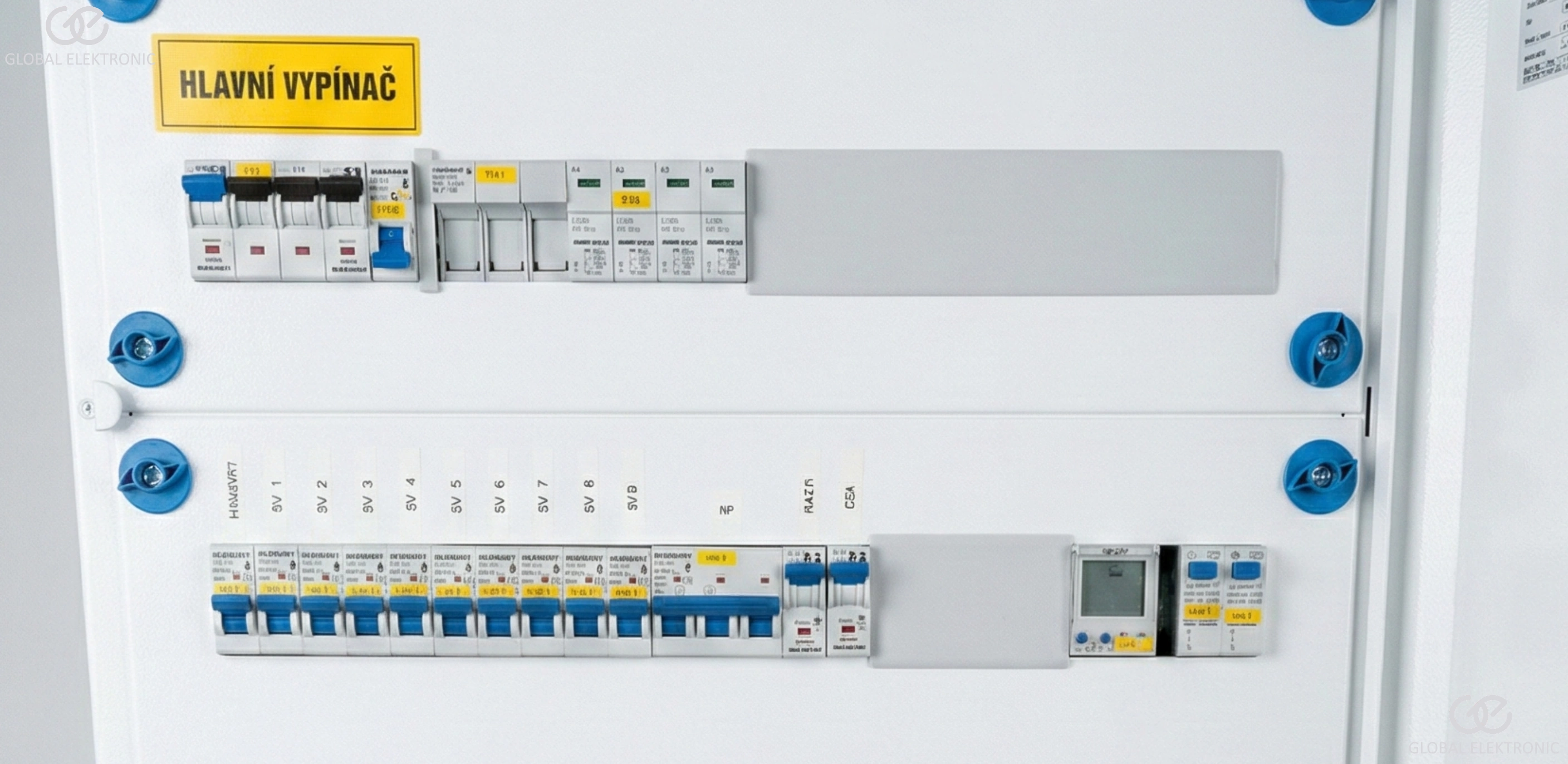
An inspection only makes sense when it leads somewhere practical. If defects are found, we can follow up with consumer unit upgrades, improved labelling, repairs to a specific part of the installation or a more systematic solution where needed.
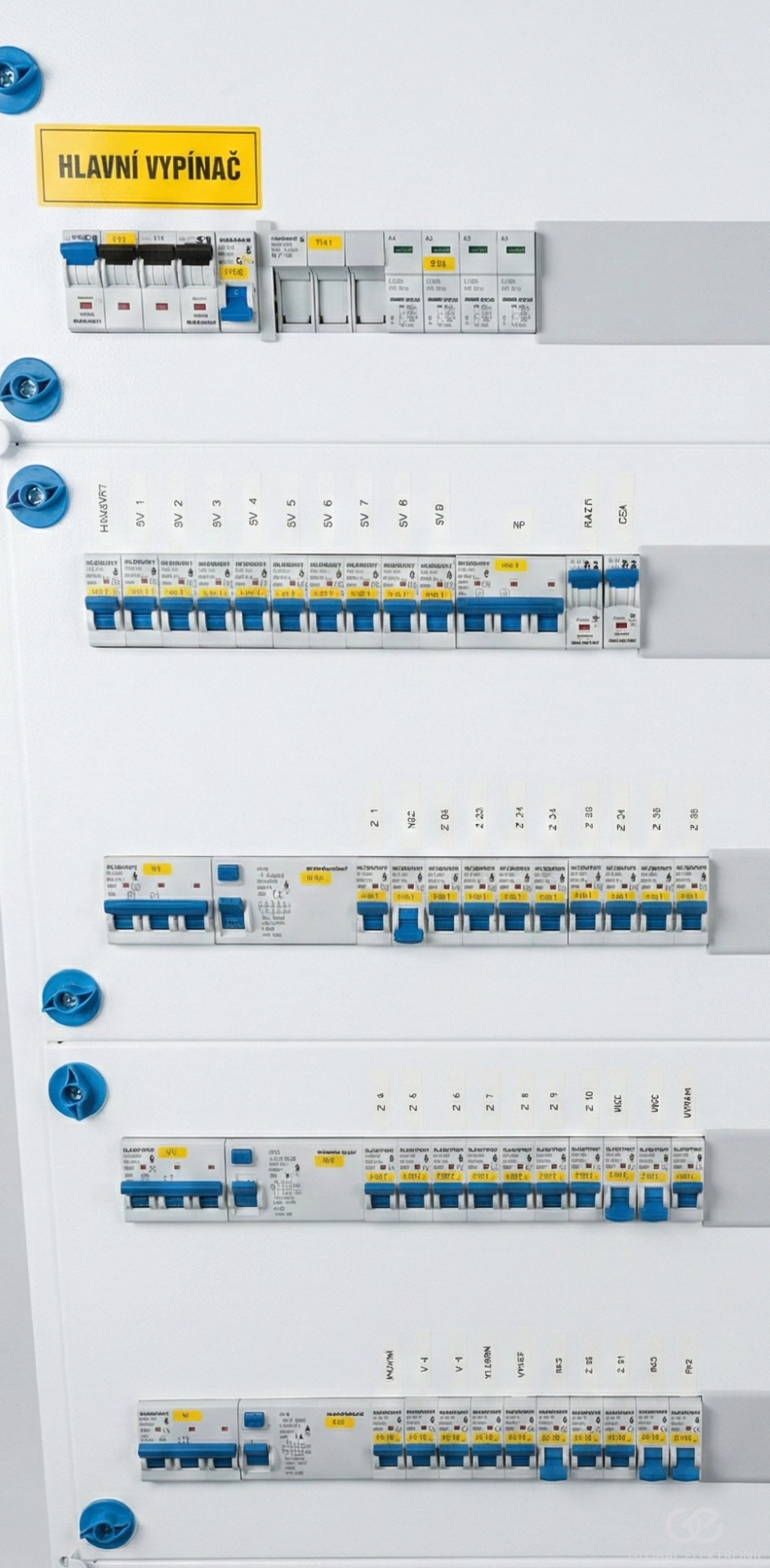
This is where a good inspection really proves its value. Many competitors deliver the output, but never explain what it means. We want both the document and the decisions around it to be usable immediately.
A document you can actually rely on, with the scope, conclusion and result clearly stated.
A clear summary of measurements and tests, ready for records, handover and any further follow-up.
What is critical now and what can be planned later. Exactly what many competitors bury in long technical text.
Not just what is wrong, but what to do about it. A practical way forward instead of a paper that solves nothing.
No unnecessary back-and-forth. From the first contact to the final output, you know what is being checked, why it matters and what comes next.
You tell us whether it is a house, apartment, HOA, small business premises or a specific issue. Photos of the consumer unit and a short description are ideal.
We agree what will realistically be checked and which type of inspection makes sense. No unnecessarily wide scope, but no risky shortcuts either.
Visual check, tests and measurements. With a focus on safety, a clean process and minimum disruption around the property.
We do not translate the result only into technical wording, but into a clear conclusion: what is fine, what is a problem and what the priorities are.
We deliver the inspection report, test protocols and recommendations. If needed, we can continue directly with repair work or corrective adjustments.

Most often after a new electrical installation, a larger renovation, a consumer unit replacement or before final handover of the work. An initial inspection confirms that the installation is safe and ready for further use.
Yes. We work on family homes, apartments, shared areas in apartment buildings, small offices and business premises. We set the scope according to the actual situation of the property, not according to a generic template.
You receive an inspection report, test protocols and a clear explanation of the result. If defects are found, we divide them by priority and recommend the next step.
Yes. That is a common situation. It helps to have at least photos of the consumer unit or basic information about previous modifications, but if documentation is missing, we can still map the actual condition within a scope that makes practical sense.
Yes. If the inspection reveals a problem, we can follow up with repairs, consumer unit upgrades, additional labelling or other electrical work. We do not want the inspection to end with just handing over a document.
No. An electrical inspection deals with the fixed electrical installation and permanent parts of the system. Appliance testing relates to portable or plug-in equipment. If you need both, we can set up a sensible follow-up.
The fastest way is to send the type of property, location, a brief description of the scope and ideally photos of the consumer unit. Based on that, we can quickly suggest the next step and provide a meaningful estimate.
That depends on the scope and the type of installation. Some procedures cannot be done without a short limitation, but we plan the process so the impact is as small as possible and so it is clear in advance what will happen.
Yes. Many defects are not visible at first sight. An inspection can reveal risk points, overloads or protection problems before they turn into a failure or a safety issue.
Primarily Ostrava, Frýdek-Místek, Havířov and nearby areas in the Moravian-Silesian Region. Other parts of the Czech Republic are possible by arrangement depending on the scope of the project.
The price depends on the size of the installation, the number of consumer units, the number of circuits and whether it is an initial, periodic or extraordinary inspection. After a short consultation, though, we can give you a sensible range and recommend the best next step.
Yes. An inspection often shows that the problem is not just one detail, but also the logic of the consumer unit or the condition of part of the installation. We can therefore continue with further improvements so everything works as one coherent whole.