
Custom switchboard for the exact building: why universal solutions are not enough
Custom switchboards for companies, homes, schools, PV and operations. Why design, production, labelling, testing and service matter.
In this article
- A custom switchboard means less improvisation and more certainty
- When a new switchboard makes the most sense
- Design, production, installation and inspection as one process
- A switchboard for a company, school, PV plant or home has a different logic
- Clear labelling is not a detail. It is a service advantage.

Key takeaways
- ✓ A practical example of a solution in real operation
- ✓ Connected to a specific service or technology
- ✓ Suitable for companies, construction sites, campuses and public buildings
Table of contents
Next step
Request a solutionA switchboard is not just a cabinet with circuit breakers. It is the technical heart of the building, where electrical installation, protection, metering, lighting, technologies, PV, wallboxes, heat pumps, low-current systems and future extensions all come together.
That is exactly why it does not make sense to treat a switchboard as a universal box. A good switchboard should be designed for the specific building, its operation and the technologies that will be connected today and in the coming years.
At Global Elektronic, we design, manufacture and modify switchboards so they are not only “wired somehow”, but clear, safe, serviceable and ready for real operation.
A custom switchboard means less improvisation and more certainty
Every building is different. A family house behaves differently from a production site, a school, an apartment building, offices, a PV plant or a technology room.
A custom switchboard mainly answers these questions:
- what the building needs to power today,
- which circuits and technologies will be added in the future,
- what environment and protection level are required,
- how much space should be left for future expansion,
- how a service technician, electrician or inspector will understand the layout,
- what documentation is needed for handover, inspection and operation.
The difference between an ordinary switchboard and a good switchboard is often recognised later — when something has to be added, repaired, inspected or a fault needs to be found quickly.
When a new switchboard makes the most sense
A new or modified switchboard is usually needed when the building no longer matches current operation.
Typical situations include:
- new construction or major reconstruction,
- an old, overloaded or unclear switchboard,
- preparation for photovoltaics, a wallbox or heat pump,
- expansion of production, warehouse, office or business premises,
- adding new circuits, lighting or technologies,
- resolving defects found during an electrical inspection,
- need for clear documentation and better serviceability.
For companies, schools, municipalities and development projects, it is also important that the switchboard is not just a finished technical product, but part of a maintainable and well-documented solution.
Design, production, installation and inspection as one process
A common mistake with switchboards is separating the individual steps. Someone designs something, someone else manufactures it, another team installs it, and at handover it turns out that labelling, logic, documentation or connection to the real building is missing.
We approach it differently.
For switchboards, we can connect:
- switchboard design,
- switchboard production,
- assembly and wiring,
- clear labelling of circuits and components,
- testing and test protocol,
- installation in the building,
- switchboard inspection,
- future service and maintenance.
The advantage is simple: the customer has one partner who keeps the whole logic together from the first requirement to handover.
A switchboard for a company, school, PV plant or home has a different logic
A switchboard for a family house should be understandable, safe and ready for future technologies. A switchboard in a production environment must account for operating load, maintenance, safety and minimum downtime. A switchboard for a school or public building must be clear for facility management, inspections and long-term service.
For homes, we often deal with replacement of old or unclear switchboards, preparation for PV, wallboxes, heat pumps or home reconstruction. For companies and public buildings, the work more often involves technology, sub-distribution, metering or distribution units with a stronger link to the operation.
In both cases, one principle applies: the switchboard must match the specific building, not a universal template.
Clear labelling is not a detail. It is a service advantage.
When a switchboard is cleanly assembled, well labelled and supported by useful documentation, it saves time during every future inspection, repair or modification.
A good switchboard has:
- clearly labelled circuits,
- logical component layout,
- tidy wiring and arrangement,
- space for future expansion,
- documentation in a usable form,
- manufacturer’s label and test protocol,
- clear link to inspection and service.
An unclear switchboard becomes a problem over time. Nobody knows what is what, changes are complicated, inspections reveal defects and every new technology is added with more improvisation.

Thinking ahead is cheaper than rebuilding later
More and more technologies are being added to buildings: PV systems, battery storage, wallboxes, smart control, CCTV, access control, Wi‑Fi, lighting, backup systems and other operational equipment.
If this is not considered during switchboard design, unnecessary rework is often needed a few years later.
That is why we recommend asking not only:
“What do we need to connect now?”
The better question is:
“What will this building need today, in one year and during the next stage of development?”
How production or modification of a switchboard works with us
We do not start by immediately assembling components. We start by understanding the building.
A typical process includes:
-
Understanding the building and technologies
We look at what the switchboard will serve, what load it will handle and which technologies may be added later. -
Design and component selection
We choose a solution according to the environment, current requirements, protection, future expansion and service access. -
Production, assembly and wiring
The switchboard is assembled, wired and prepared according to documentation and the required use. -
Labelling and checking
Circuits and elements must be clear for the operator, electrician and inspection technician. -
Testing and handover documentation
We prepare the necessary outputs so the switchboard can be handed over and used safely. -
Installation, inspection and service
Where needed, we connect the switchboard with installation on site, electrical inspection and future service.
Why a custom switchboard pays off
A custom switchboard is not about luxury. It is about technical logic, safety and long-term usability.
It pays off because it brings:
- better clarity,
- lower risk of future improvisation,
- easier inspection,
- faster service,
- readiness for PV, wallboxes and other technologies,
- safer operation,
- more professional handover,
- better control over future expansion.
In business, public and residential buildings, this can make the difference between a technical solution that only works today and an infrastructure that can support the building for many years.
A switchboard designed for the building, not the catalogue
Every building has its own context. A production hall needs a different logic than a family house. A school has different requirements than a PV site. An office building differs from an apartment building.
That is why we design switchboards according to the building, not only according to a list of components. We look at the actual operation, future technologies, service access, inspection requirements and long-term safety.
If you are planning a new switchboard, modifying an existing one or preparing the building for new technologies, it is worth solving it professionally from the beginning.
Are you planning a switchboard for a company, school, public building, PV project or home? Explore our custom switchboards, switchboard design, switchboard production and electrical inspections, or contact us through the contact page. We will design a switchboard that matches the building, the operation and future service.
Solution consultation
Working on a similar project?
Get in touch with us. We will suggest a suitable technical solution based on the location, operation and requirements.
Related service
This article is related to Our services
If you are dealing with a similar project in practice, continue to the service detail or send us the basic project parameters.
Keep reading
Related articles

Electrical inspections for companies, schools, apartment buildings and homes: why not wait for a fault
Electrical inspections for companies, schools, apartment buildings and homes: initial and periodic inspections, appliance testing, risks and service.
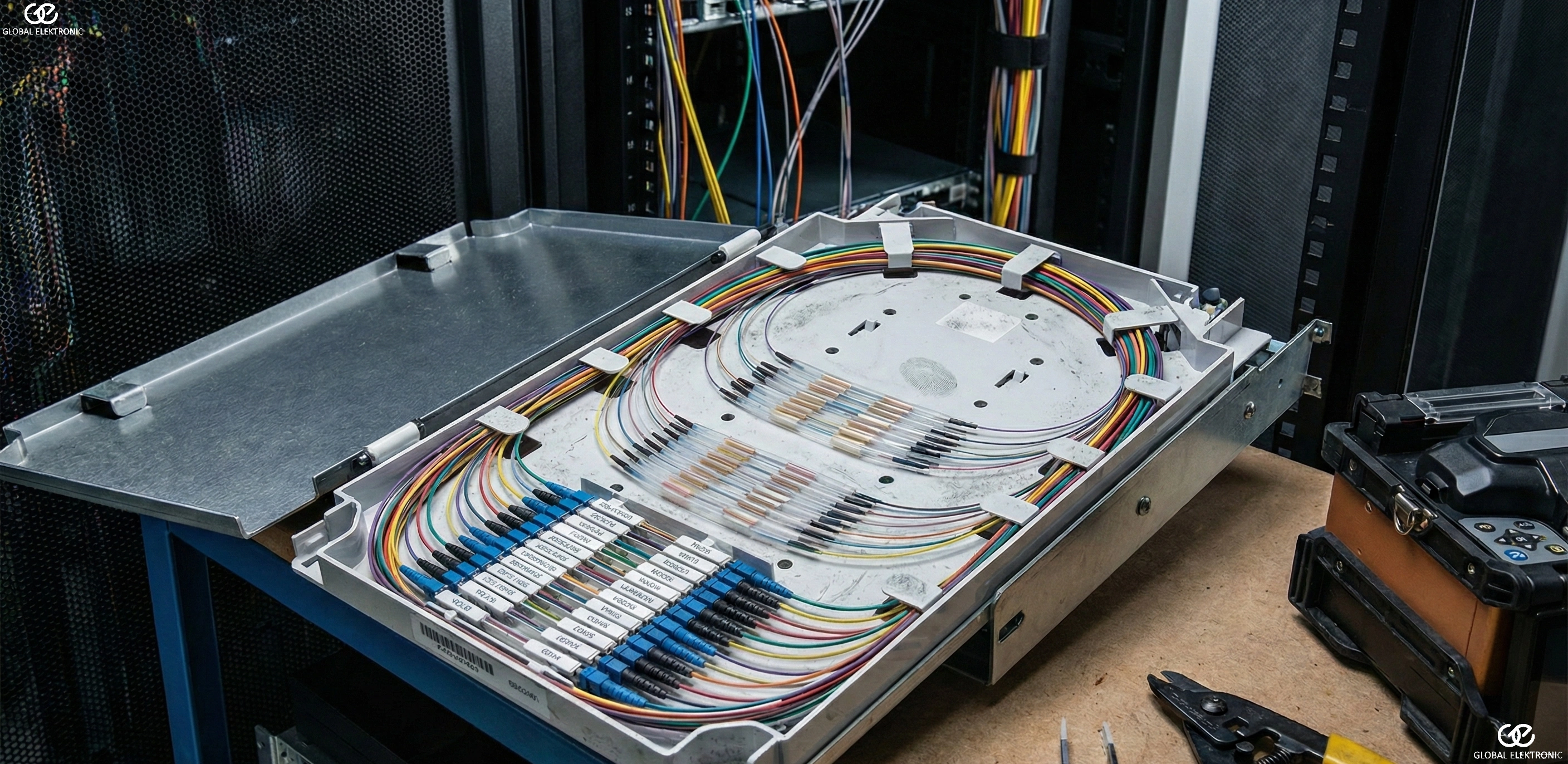
Fibre optic links for companies and development projects: design, pulling, splicing and testing
Fibre links for companies and developers: route design, pulling fibre, splicing, outdoor routes, PV, racks and fibre testing.
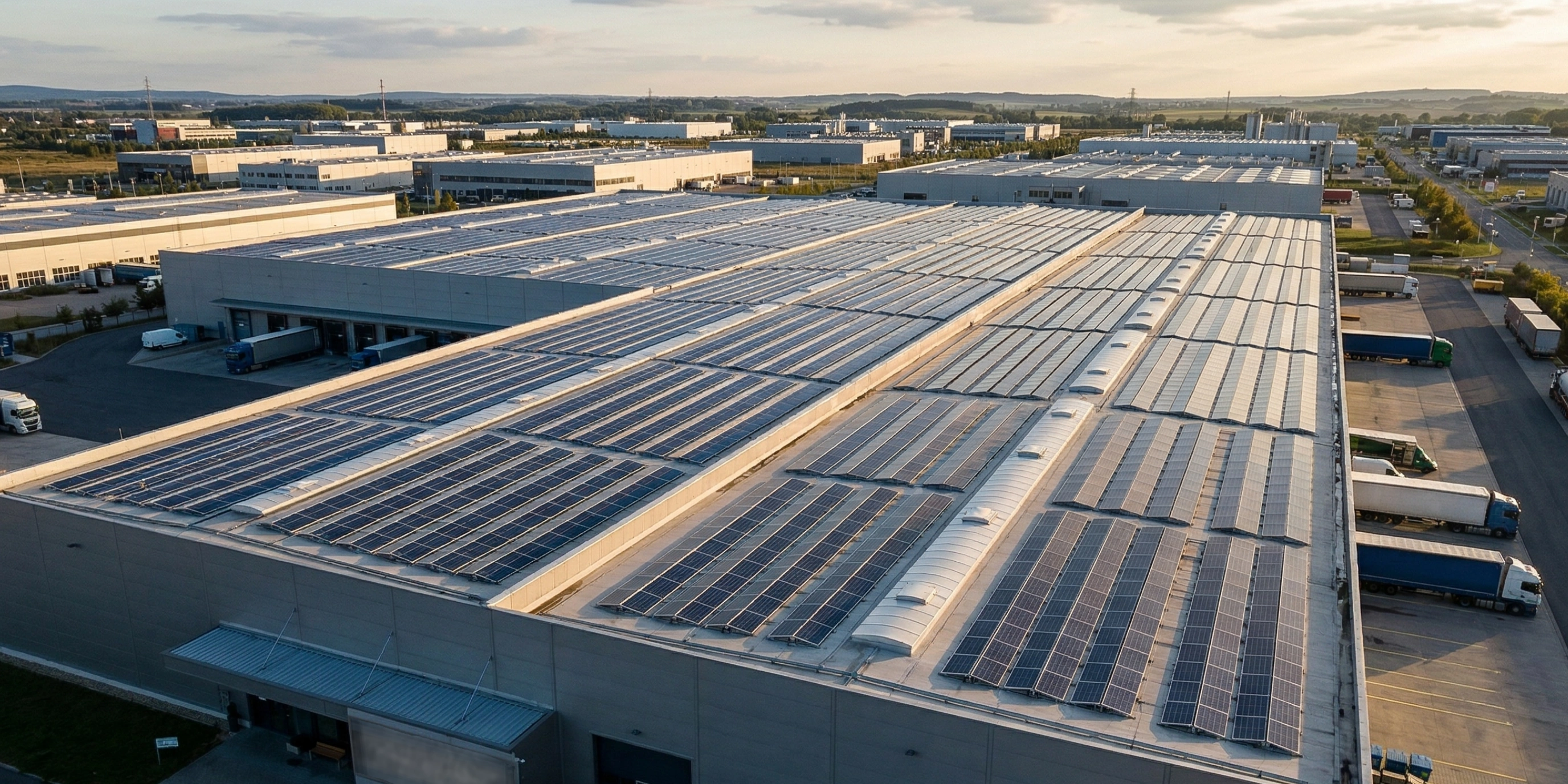
Commercial Rooftop PV: Why South Is Not Always Best
South-facing panels do not always mean the best result. In commercial rooftop PV, east-west may work better for self-consumption, EMS and BESS.
